

Gambling in Brazil: Laws, Online Betting, & Key Operators
Brazil’s gambling laws have changed dramatically in recent years. The country banned most forms of gambling in 1946, but recent reforms have opened new doors for players and operators alike.

On January 1, 2025, Brazil launched its regulated online sports betting market under federal oversight, marking a historic shift from decades of restrictive gambling policies. The new framework allows licensed operators to offer sports betting and some online games through the Secretariat of Prizes and Betting. This change affects millions of Brazilians who previously had limited legal gambling options.
The gambling landscape in Brazil now includes legal online betting, traditional lotteries, and ongoing debates about physical casinos. Understanding these laws is important for players who want to gamble legally and safely. The regulations cover everything from player protection measures to tax requirements, creating a complex system that continues to evolve as lawmakers consider additional reforms.
Current Legal Status of Gambling in Brazil

Brazil’s gambling landscape changed dramatically on January 1, 2025, when regulated sports betting and online gambling became legal under Law No. 14,790/2023. Most casino games and land-based gambling remain banned since 1946, with limited exceptions like state lotteries and horse racing.
Law No. 14,790/2023 Overview
Law No. 14,790/2023 marks Brazil’s biggest gambling reform in nearly 80 years. The law legalized sports betting and online gambling activities starting January 1, 2025.
The Ministry of Finance’s Secretariat of Prizes and Bets (SPA) oversees the new regulatory framework. This agency handles licensing, monitoring, and enforcement of gambling operations.
The law establishes strict tax requirements for operators. Companies must pay a 12% gross revenue tax plus monthly inspection fees ranging from $10,000 to $390,000.
Players face a 15% tax on winnings above BRL 2,824 (about $547). All operators must use the Bet.br domain for their Brazilian operations.
The regulation includes strong responsible gambling measures. Operators must provide betting limits, self-exclusion tools, and addiction prevention programs.
Permitted and Prohibited Gambling Activities
Brazil’s gambling laws create clear boundaries between legal and illegal activities. The country maintains its 1946 ban on most traditional gambling forms while opening specific new markets.
Legal Activities:
- Sports betting (fixed-odds)
- Online casino games including slot machines
- State-run lotteries operated by Caixa Econômica Federal
- Horse racing
- Poker (considered skill-based)
Prohibited Activities:
- Land-based casinos
- Physical slot machines
- Bingo halls
- Most other traditional gambling venues
The law allows controversial games like Fortune Tiger, which regulators approved to compete with illegal operators. Poker remains in a legal gray area but courts generally treat it as skill-based rather than gambling.
Regulatory Authorities and Licensing
The Secretariat of Prizes and Bets (SPA) serves as Brazil’s primary gambling regulator. This federal agency operates under the Ministry of Finance and controls all licensing and oversight functions.
Operators must obtain SPA licenses to operate legally in Brazil. The licensing process includes background checks, financial requirements, and technical system approvals.
Key Regulatory Powers:
- Issue and revoke gambling licenses
- Conduct inspections (remote and in-person)
- Impose fines from 0.1% to 20% of annual revenue
- Suspend operations for up to 180 days
- Ban operators from obtaining new licenses for up to 10 years
Maximum fines can reach BRL 2 billion for serious violations. The SPA coordinates with other government agencies to monitor compliance and prevent illegal gambling operations.
Caixa Econômica Federal continues operating Brazil’s traditional lottery system separately from the new sports betting regulations.
Online Gambling and Sports Betting
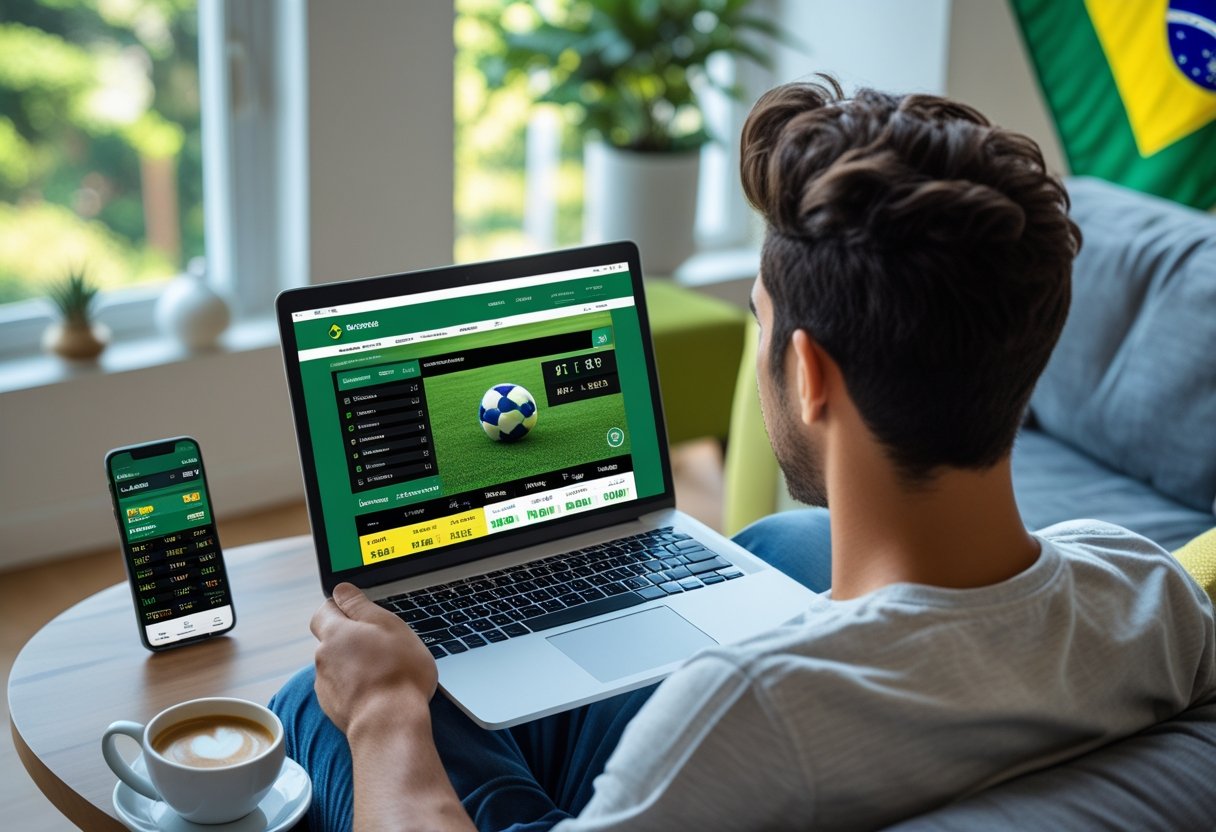
Brazil’s online gambling market has grown rapidly since Law 14,790 took effect in 2023, creating a regulated framework for digital betting platforms. The market focuses heavily on sports betting, with football driving much of the activity and digital payment methods making betting more accessible.
Growth and Market Size in Brazil
Brazil’s online gambling market has expanded quickly since regulation began in late 2023. The country now ranks among the largest betting markets in Latin America.
Sports betting makes up the biggest part of Brazil’s online gambling sector. Football betting drives most of this growth because the sport is extremely popular across the country.
The regulated market attracted millions of new users in its first year. Many Brazilians who previously used offshore sites moved to licensed platforms after the new laws took effect.
Industry experts predict continued growth through 2025 and beyond. The large population and strong interest in sports create ideal conditions for market expansion.
Mobile betting accounts for most online gambling activity in Brazil. Users prefer betting on smartphones rather than computers or tablets.
Legal Online Sports Betting Platforms
Several major betting companies now operate legally in Brazil under the new licensing system. These platforms must follow strict rules set by Brazilian regulators.
Bet365 entered the Brazilian market as one of the first licensed operators. The company offers extensive football betting options and live streaming services.
Betano has built a strong presence in Brazil through sports sponsorships and marketing campaigns. The platform focuses heavily on Brazilian football leagues and tournaments.
Pixbet targets Brazilian users with localized content and fast payout options. The company sponsors several major football teams in the country.
Superbet also received licensing approval to operate in Brazil. The platform offers both sports betting and casino games where permitted.
All licensed operators must verify user identities and follow responsible gambling rules. They also pay taxes to the Brazilian government on their revenue.
Payment Methods and Digital Adoption
Brazilian bettors use various digital payment methods on licensed platforms. Pix, Brazil’s instant payment system, has become the most popular option for deposits and withdrawals.
Credit and debit cards remain common for funding betting accounts. Most platforms accept major card brands like Visa and Mastercard.
Digital wallets and bank transfers also work on most sites. Some operators offer cryptocurrency options, though these are less common.
Fast withdrawal times have become a key selling point for betting platforms. Many sites process Pix withdrawals within minutes rather than days.
The high adoption of digital payments in Brazil made the transition to online betting smoother. Most users were already comfortable with mobile banking and digital transactions before they started betting online.
Major Online Betting Companies
Brazil’s online betting market features a mix of global giants and local operators competing for market share. International brands leverage their established technology and resources, while domestic companies focus on local partnerships and cultural connections.
International Brands in Brazil
Bet365 stands as one of the most prominent international operators in Brazil. The company entered the Brazilian market early and has built a strong presence through its comprehensive sports betting platform. Bet365 offers live streaming, in-play betting, and mobile apps designed for Brazilian users.
1xbet has expanded rapidly in Brazil through strategic sponsorships. The Russian-based company secured a sponsorship deal with Serie A, Brazil’s top football league. This partnership significantly increased brand awareness among Brazilian football fans.
The company has also opened a customer support center in Brazil. This shows their commitment to the Brazilian market as a key growth area.
Betano operates as another major international player in the Brazilian market. The platform offers extensive sports betting options and eSports markets. Betano has formed partnerships with local football teams and Serie A championship.
These international brands bring advanced technology and proven business models to Brazil. They compete primarily on features like live streaming, mobile apps, and betting variety.
Domestic Operators and Partnerships
Brazil currently licenses 14 domestic sportsbooks as of January 2025. These operators focus on understanding local preferences and cultural nuances. They often partner with Brazilian football clubs and entertainment companies.
Pixbet represents one of the leading domestic operators. The company has gained recognition through partnerships with Brazilian celebrities and sports figures. Pixbet focuses heavily on mobile betting and social media marketing.
Domestic operators often emphasize payment methods popular in Brazil. They support local banking systems and digital wallets that Brazilian users prefer. This gives them an advantage over some international competitors.
Many domestic companies have formed joint ventures with international firms. These partnerships combine local market knowledge with global technology and resources. The arrangement helps domestic operators compete with established international brands.
Brazilian operators also focus on customer service in Portuguese. They understand local betting preferences and cultural references that international companies might miss.
Advertising and Sponsorship Trends
Football sponsorships dominate the Brazilian betting advertising landscape. 13 out of 20 clubs in the Brazilian premier league now have betting company sponsorships. This represents a massive shift since sports betting legalization.
Companies compete intensely for team partnerships and stadium naming rights. These deals provide significant brand exposure during matches and media coverage. Football sponsorships have become essential for building credibility in Brazil.
Superbet and Estrelabet have joined the sponsorship race alongside international brands. They target regional teams and local tournaments to build grassroots support. This strategy helps them compete against larger international operators.
Television and digital advertising campaigns focus heavily on football content. Companies sponsor match broadcasts and create content around major tournaments. Social media marketing has become particularly important for reaching younger Brazilian bettors.
Celebrity endorsements represent another major trend. Brazilian sports stars and entertainment figures promote various betting platforms. These partnerships help companies connect with fans and build trust in the market.
Traditional and Lottery Gambling Options
Brazil’s gambling landscape includes specific legal options that have operated for decades. The federal lottery system dominates legal gambling, while horse racing maintains a separate regulatory framework.
Federal Lotteries and Caixa Econômica Federal
Caixa Econômica Federal has held a complete monopoly on lottery operations in Brazil since 1967. This state-owned federal savings bank runs all legal lottery games throughout the country.
The bank operates several popular lottery games. Mega-Sena stands as the most well-known option among Brazilian players. Other games include Quina, Lotofácil, and Timemania.
Players can purchase lottery tickets at authorized retail locations across Brazil. These tickets are sold through a network of licensed vendors and banking locations.
Key lottery features include:
- Centralized management through one institution
- Multiple game types with different prize structures
- Regulated prize distribution and payout systems
- Standardized ticket sales nationwide
The lottery system generates significant revenue for the federal government. Prize money that goes unclaimed gets transferred to Brazil’s National Treasury Single Account.
Caixa Econômica Federal maintains strict oversight of all lottery operations. The bank handles everything from ticket sales to prize payments under federal regulations.
Horse Racing Betting Framework
Horse racing represents one of the few legal betting options available in Brazil before 2025 gambling reforms. This activity operates under specific regulations separate from other gambling forms.
Licensed racetracks can offer betting on horse races. These venues must follow strict operational guidelines set by racing authorities.
Betting options typically include:
- Win, place, and show bets
- Exacta and trifecta combinations
- Daily double selections
The betting framework focuses on live events at approved racing venues. Participants must be physically present at licensed locations to place wagers.
Racing authorities oversee track operations and betting activities. They ensure compliance with safety standards and fair betting practices.
Revenue from horse racing betting stays within the racing industry. Tracks use these funds for operations, prize money, and facility maintenance.
Cultural and Regional Aspects
Brazil’s gambling culture reflects deep historical roots and varies significantly across different regions. Jogo do Bicho remains a cultural institution despite legal restrictions, while major cities like São Paulo have developed distinct gambling preferences shaped by urban demographics and economic factors.
Jogo do Bicho and Cultural Relevance
Jogo do Bicho represents one of Brazil’s most enduring gambling traditions. This animal lottery game originated in Rio de Janeiro in 1892 and quickly spread throughout the country.
The game operates through a simple system. Players bet on animals represented by numbers from 00 to 99. Each animal corresponds to four consecutive numbers, making it easy for participants to understand.
Despite being illegal since 1946, Jogo do Bicho maintains strong cultural significance. It operates openly in many neighborhoods across Brazil. Local communities often view it as part of their daily social fabric.
The game’s popularity stems from its accessibility and cultural integration. Players can place small bets at corner stores, bars, and informal betting points. This creates a network that connects different social classes.
Jogo do Bicho also influences Brazilian popular culture. It appears in songs, television shows, and literature. Many Brazilians use animal symbols from the game in everyday conversations and superstitions.
Regional Gambling Activities in São Paulo
São Paulo demonstrates unique gambling patterns due to its status as Brazil’s largest city and economic center. The metropolitan area hosts approximately 22 million residents with diverse socioeconomic backgrounds.
Sports betting dominates São Paulo’s gambling landscape. Football fans frequently engage in informal betting on local teams like Corinthians, Palmeiras, and São Paulo FC. These activities intensify during major tournaments.
Online gambling platforms see high usage rates in São Paulo. The city’s tech-savvy population and widespread internet access drive digital gambling adoption. Mobile betting applications perform particularly well among younger demographics.
São Paulo also maintains traditional gambling activities. Jogo do Bicho remains popular in working-class neighborhoods. Card games and informal lottery systems operate in various districts throughout the city.
The city’s international business community influences gambling preferences. Casino-style games and poker gain popularity among professionals and expatriates. This creates demand for more sophisticated gambling options compared to other Brazilian regions.
Regulation, Taxation, and Player Protection
Brazil’s gambling regulatory framework operates under strict government oversight with specific tax obligations and player protection requirements. Operators face a 12% tax rate on gross gaming revenue, while comprehensive responsible gambling measures include self-exclusion systems and advertising restrictions.
Taxation for Operators and Players
Brazil imposes a 12% tax rate on gross gaming revenue for licensed gambling operators. This tax applies to both sports betting and online casino operations under Law No. 14,790/2023.
The tax revenue gets allocated primarily to sports development programs across the country. Operators must also pay corporate income tax (IRPJ) on their profits like other Brazilian businesses.
Licensed companies face significant upfront costs beyond taxation. The initial license fee costs BRL 30 million (approximately USD 6 million) for a five-year authorization covering up to three commercial brands.
Additional financial requirements include:
- BRL 5 million financial guarantee reserve
- BRL 30 million minimum capital and net worth
- Monthly reporting of betting volumes, turnover, and tax obligations
Players do not face specific gambling taxes on winnings under current regulations. However, large winnings may be subject to standard income tax rules.
Responsible Gambling Measures
Brazil enforces strict responsible gambling requirements for all licensed operators. Companies must implement comprehensive player protection systems including self-exclusion tools and spending limits.
Advertising restrictions protect vulnerable populations, especially minors. Betting advertisements cannot appear in media targeting children or near schools and universities.
All gambling advertisements must include clear warnings about betting risks. Operators cannot use celebrities who might influence minors or make promises about guaranteed winnings.
Licensed operators must provide:
- Age verification systems to block underage access
- Self-exclusion programs for problem gamblers
- Spending limit tools for player control
- Clear odds disclosure and terms
The Brazilian Advertising Self-Regulation Council (CONAR) provides additional guidelines requiring ethical advertising practices that do not associate gambling with personal success.
Regulatory Challenges and Ongoing Changes
Brazil’s gambling market faces ongoing regulatory adjustments as authorities refine enforcement mechanisms. The transition period for international operators ended December 31, 2024, creating compliance challenges for unlicensed companies.
Only operators who submitted license applications by September 17, 2024, could continue operations during the transition period. Unauthorized companies now face penalties and operational restrictions.
Recent Provisional Measure No. 1,303 from September 2025 introduced additional regulatory changes affecting market sustainability. These modifications address operational standards and compliance requirements for existing licensees.
The Secretariat of Prizes and Bets (SPA/MF) under the Ministry of Finance continues developing enforcement protocols. Regulatory reviews can occur during mergers, acquisitions, or ownership changes affecting licensed operators.
Key ongoing challenges include:
- Cross-border enforcement of unlicensed operators
- Payment processing compliance for international transactions
- Technology standards for responsible gambling tools
- Tax collection mechanisms from remote operators
Frequently Asked Questions
Brazil’s gambling laws changed significantly in 2025 with new regulations for online betting and sports wagering. The country now allows licensed operators to offer specific gambling services while maintaining strict requirements for licensing and compliance.
What is the legal status of online gambling in Brazil?
Online gambling became legal in Brazil on January 1, 2025, under Law No. 14,790/2023. The law allows licensed operators to offer fixed-odds sports betting and online casino games.
Land-based casinos remain illegal in Brazil since 1946. Only online gambling with proper federal licenses is permitted.
Licensed operators must use the .bet.br domain extension. Unlicensed gambling sites face blocking and financial penalties.
How does Brazil regulate its gambling industry?
The Secretariat of Prizes and Betting (SPA) regulates Brazil’s gambling industry. Operators must obtain federal licenses through the SPA’s SIGAP platform.
Licensed operators pay a 12% tax on gross gaming revenue. They also pay standard corporate taxes.
The government distributes gambling tax revenue to sports, tourism, education, and public security programs. Each sector receives specific percentage allocations.
Can foreign visitors legally gamble at casinos in Brazil?
Foreign visitors cannot gamble at land-based casinos because they remain illegal in Brazil. Physical casinos have been banned since 1946.
Visitors can use licensed online gambling platforms while in Brazil. They must verify their identity using CPF (Brazilian Taxpayer ID) and complete biometric verification.
Online operators accept only Pix, TED transfers, and debit or prepaid cards for transactions.
What are the requirements for obtaining a gambling license in Brazil?
Companies must be headquartered or incorporated in Brazil to obtain a gambling license. At least 20% of share capital must be Brazilian-owned.
Operators need R$30 million in paid-in capital and R$5 million in financial reserves. They must submit financial statements covering the previous two years.
The license costs R$30 million and covers up to three commercial brands for five years. Companies must have at least three years of gambling industry experience.
Systems must have ISO 27001 certification and store data in Brazil. Operators need policies for anti-money laundering, customer service, and responsible gaming.
Since when has gambling been legalized in Brazil?
Online gambling became legal in Brazil on January 1, 2025. The Brazilian government passed Law No. 14,790/2023 to create the legal framework.
Land-based casinos have been illegal since 1946 when President Eurico Gaspar Dutra signed the prohibition decree. This ban remains in effect today.
The SPA processes license applications within 150 days of submission. Licensed operators began offering services after receiving approval in 2025.
Which online casinos are considered the best for players in Brazil?
Players in Brazil can only legally use casinos with proper licenses from the SPA. Licensed operators display the .bet.br domain extension.
Licensed casinos must provide 24/7 customer service in Portuguese based in Brazil. They offer player protection tools like spending limits and self-exclusion options.
All licensed operators implement Know Your Customer protocols with CPF verification and biometric checks. They must follow strict anti-money laundering and responsible gambling measures.